
Abhishekam Service · Hyderabad
Shiva Abhishekam in Hyderabad
Shiva Abhishekam is a traditional form of worship in which sacred substances are offered to Lord Shiva as part of devotional practice. Anugraha Siddhi provides arrangements in Hyderabad with experienced and verified Vedic Purohits, based on the devotee’s requirements and traditional practice.
Whether you are planning Shiva Abhishekam at home or looking for a Purohit to conduct the ritual, the service can be arranged in Hyderabad depending on the requirement and availability.
Quick Overview
| Detail | Information |
|---|---|
| Service | Shiva Abhishekam |
| Deity | Lord Shiva |
| Common mantra | Om Namah Shivaya |
| Common occasions | Mondays, Pradosham, Maha Shivaratri and other devotional occasions |
| Service location | Hyderabad |
| Service mode | Online or in-person arrangements may be available depending on the service and requirement |
| Experience | 5+ years of Pooja and Vedic ritual service experience |
| Languages | Telugu and English |
The exact procedure, offerings, mantra recitations and other arrangements may vary according to tradition, family practice and the selected service requirement.
What Is Shiva Abhishekam?
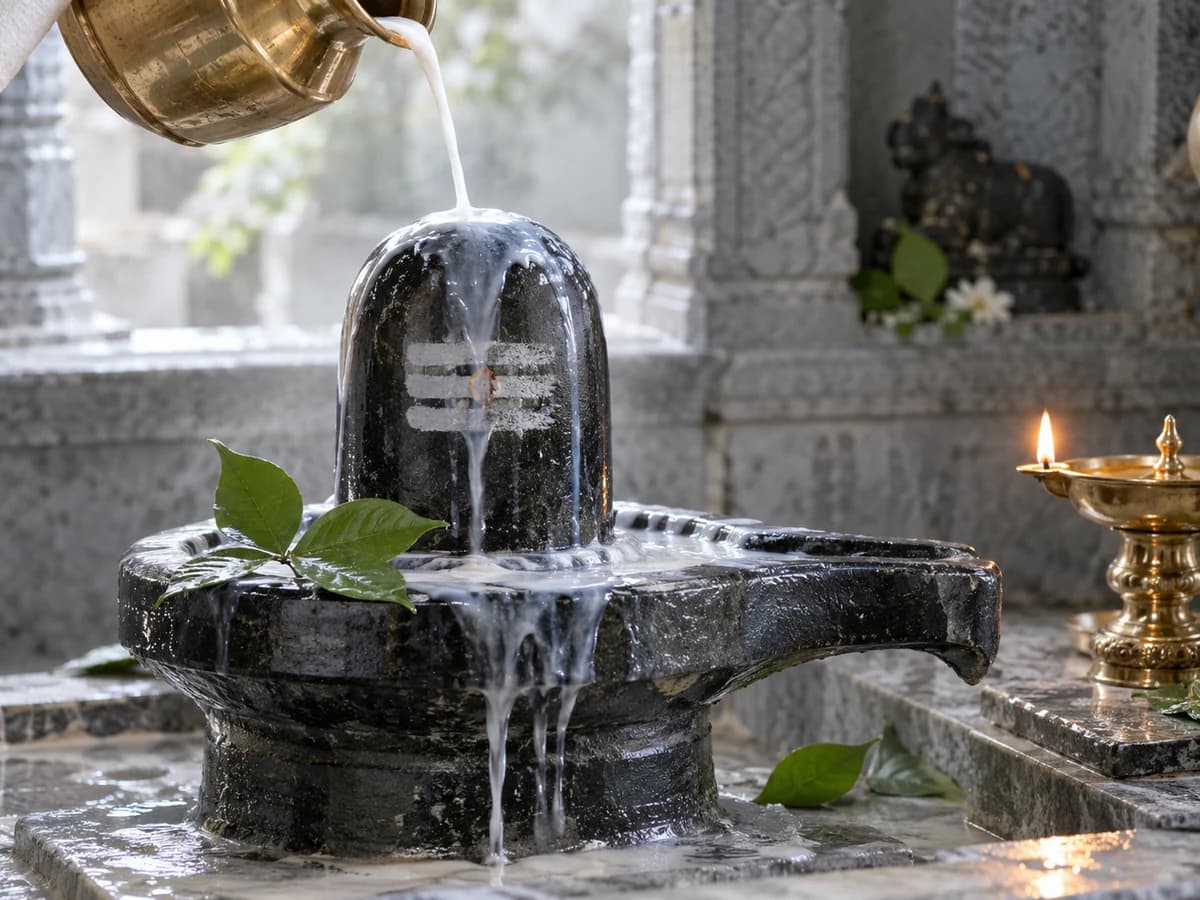
Shiva Abhishekam is a traditional Hindu worship practice in which a Shiva Lingam or deity form of Lord Shiva is ceremonially bathed with offerings such as water and, according to the tradition and ritual, other substances.
Mantras and prayers may be recited during the Abhishekam as part of devotional worship. Abhishekam is performed in temples and homes, and may be conducted on specific devotional occasions or according to family practice.
Temple traditions demonstrate that Abhishekam can involve sacred water, milk and other ritual substances along with mantra recitation.
Our editorial policy explains how traditional practices are described on this site.
Why Is Shiva Abhishekam Performed?
Devotees traditionally perform Shiva Abhishekam as an expression of devotion, prayer and reverence toward Lord Shiva. Common reasons include:
- To offer devotional worship to Lord Shiva.
- To observe a traditional Shiva Pooja on an auspicious occasion.
- To perform worship at home with the guidance of a Purohit.
- To observe devotional practices on Mondays, Pradosham or Maha Shivaratri.
- To include Shiva worship as part of a family religious occasion.
- To perform Abhishekam with a specific sankalpam or personal devotional intention.
The spiritual purpose and significance can vary according to the family tradition, sampradaya and guidance of the Purohit.
When Is Shiva Abhishekam Performed?
Shiva Abhishekam may be performed on different occasions depending on family and regional traditions.
Mondays
Monday is traditionally associated with Lord Shiva, and many devotees choose Monday for Shiva worship and Abhishekam.
Pradosham
Pradosham is a traditional period associated with Shiva worship. Devotees may perform Shiva Pooja and Abhishekam according to their family or temple tradition.
Maha Shivaratri
Maha Shivaratri is one of the important occasions for Shiva worship, and devotees commonly observe prayers, chanting and other forms of worship during the festival.
Shiva-related temple rituals on that night can include Rudrabhishekam and mantra chanting.
Shravan / Sawan
In many Hindu traditions, the month of Shravan is associated with devotional worship of Lord Shiva. The specific practices and dates may vary according to the regional calendar and tradition.
Personal and family occasions
Shiva Abhishekam may also be arranged for personal devotional practice, family worship or other religious occasions.
Note: Auspicious days and ritual practices can differ according to region, Panchangam, sampradaya and family tradition. Confirm the appropriate date and procedure with a qualified Purohit.
How Is Shiva Abhishekam Performed?
The exact procedure can vary according to the tradition and type of Abhishekam. A general structure may include the following.
-
Preparation
The required pooja space, Shiva Lingam or deity form, vessels and offerings are prepared before the ritual begins.
-
Sankalpam
The devotee’s intention for the worship may be stated through a traditional Sankalpam according to the Purohit’s guidance.
-
Preliminary Worship
Depending on the ritual tradition, preliminary prayers or Pooja may be performed before the main Abhishekam.
-
Shiva Abhishekam
The Abhishekam is performed by offering sacred substances to the Shiva Lingam or deity form. Water is commonly used, while other offerings may be included according to the particular tradition or service arrangement.
-
Mantra Recitation
Shiva mantras or other traditional Vedic prayers may be recited during the ritual. The exact mantras depend on the type of worship and the Purohit’s tradition.
-
Offerings and Worship
Additional devotional offerings may be made according to the selected ritual and family practice.
-
Completion
The Abhishekam and associated prayers are completed according to the ritual tradition, followed by the concluding prayers and other customary practices.
Procedures may vary according to tradition. A specific service should therefore be confirmed with the Purohit before booking.
Importance of Shiva Abhishekam
Shiva Abhishekam has an important place in traditional Shiva worship. The act of offering a ceremonial bath to the deity is understood as an expression of reverence and devotion.
Temple practices also show the importance of Abhishekam as part of formal worship. Temple Abhishekam traditions may involve sacred water, milk, other ritual substances and recitation of sacred texts or mantras.
For devotees, the ritual can provide an opportunity to pause from everyday activities and participate in a structured form of prayer and worship.
Its religious significance may differ between traditions, so the specific meaning and procedure should be understood in the context of the devotee’s family or Purohit tradition.
Shiva Abhishekam Benefits
Shiva Abhishekam is traditionally regarded as a devotional practice rather than a guaranteed method of achieving a particular worldly result.
Devotees may perform Shiva Abhishekam:
- As an expression of devotion to Lord Shiva.
- As part of regular Shiva worship.
- To observe traditional religious practices on auspicious occasions.
- With a personal Sankalpam or devotional intention.
- As part of family worship and spiritual practice.
- To spend time in prayer, mantra recitation and remembrance of Lord Shiva.
These are traditional religious associations and are not guaranteed health, financial, relationship or other worldly outcomes.
Shiva Abhishekam Mantra
One of the commonly used mantras associated with Lord Shiva is:
ॐ नमः शिवाय
Om Namah Shivaya
- Meaning
- Salutations to Lord Shiva.
The Panchakshara Mantra · five syllables: Na, Ma, Shi, Va, Ya
The mantra is traditionally known as the Panchakshara Mantra of Shiva, with the five syllables represented by Na, Ma, Shi, Va and Ya. It is widely used in Shiva devotional practice and may be recited during worship and Abhishekam.
Further mantras used during this ritual are set out in the Shiva Abhishekam mantras on the blog.
How Many Times Is the Shiva Mantra Chanted?
There is no single count that applies to every Shiva Abhishekam.
108 repetitions are commonly used in devotional japa with a mala, while the count used during a particular Abhishekam can depend on the ritual, Purohit and tradition.
For a service arranged through Anugraha Siddhi, the appropriate mantra practice and count should be confirmed according to the selected ritual requirement.
Shiva Abhishekam Items
The items required can vary according to the type of Abhishekam, family tradition and the Purohit’s guidance. Commonly used items may include:
- Clean water
- Milk
- Curd
- Honey
- Ghee
- Fruits or fruit-based offerings
- Flowers
- Bilva leaves
- Sandalwood or sandal paste
- Vibhuti
- Pooja vessels
- Lamps and other basic pooja materials
Lamp oil, ghee, wicks and camphor are grouped in the deepam section of the Pooja Store, which is the quickest way to check part of that list against what you already have.
Not every item is necessarily required for every Shiva Abhishekam. Temple and household traditions can differ, and the exact list should be confirmed before arranging the ritual.
Samagri may be arranged by Anugraha Siddhi or by the customer, depending on the selected service package and requirement. Everything else is in the general Pooja Samagri Store.
Abhishekam for Shiva Lingam
An Abhishekam for Shiva Lingam is a traditional form of Shiva worship in which the Shiva Lingam is ceremonially bathed with offerings according to the relevant ritual tradition.
Water is commonly used in Abhishekam, while milk and other substances may be used depending on the particular Pooja and tradition. Some formal temple Abhishekam practices also involve sacred chanting during the ritual.
The exact procedure should not be assumed to be identical across every family, temple or Purohit tradition.
Shiva Linga Abhishekam and Shiva Abhishekam
The terms Shiva Linga Abhishekam and Shiva Abhishekam are closely related.
| Term | General meaning |
|---|---|
| Shiva Abhishekam | A broad term for Abhishekam performed as part of Shiva worship |
| Shiva Linga Abhishekam | Specifically describes Abhishekam performed to a Shiva Lingam |
| Abhishekam for Shiva Lingam | Another natural way of describing the same type of devotional practice |
The exact ritual method, offerings and mantra recitation can differ according to tradition.
Where a specifically Rudra-based form of the ritual is wanted, that is arranged as a Rudrabhishekam.
Shiva Abhishekam at Home in Hyderabad
Shiva Abhishekam may be performed at home as part of personal or family devotional practice. If you prefer to have a Purohit conduct the ritual, Anugraha Siddhi can help arrange a Purohit in Hyderabad based on the service requirement and availability.
For home arrangements, it is useful to confirm:
- Preferred date and time
- Location
- Type of Abhishekam
- Sankalpam or devotional purpose
- Required mantra or japa
- Samagri requirements
- Whether the customer or Purohit will arrange the materials
- Number of Purohits required, if applicable
- Any additional Pooja requested
Online or in-person arrangements may be available depending on the service and requirement. Confirm the specific arrangement with Anugraha Siddhi.
Booking Checklist for Shiva Abhishekam
| Requirement | What to confirm |
|---|---|
| Service | Shiva Abhishekam |
| Preferred date | Confirm your preferred date |
| Location | Home or other suitable location in Hyderabad |
| Purpose / sankalpam | Share your devotional intention |
| Mantra | Confirm the mantra or chanting tradition |
| Japa count | Confirm if a specific count is required |
| Samagri | Confirm who will arrange the required items |
| Purohit | Confirm Purohit availability |
| Language | Telugu or English |
| Service mode | Confirm online or in-person availability |
| Additional rituals | Confirm separately if required |
Providing these details in advance can help Anugraha Siddhi understand your requirement and arrange the service accordingly.
Shiva Abhishekam Cost in Hyderabad
The cost of Shiva Abhishekam in Hyderabad can depend on several factors, including:
- Type of Abhishekam
- Ritual requirements
- Mantra or japa count
- Number of Purohits
- Samagri requirements
- Location
- Duration
- Additional Pooja or ritual requirements
Anugraha Siddhi does not publish an assumed fixed price here because the final requirements can vary between services. Contact Anugraha Siddhi for current package details.
Why Choose Anugraha Siddhi for Shiva Abhishekam?
Anugraha Siddhi can help devotees arrange Shiva Abhishekam in Hyderabad based on their individual requirements.
5+ years of experience
Anugraha Siddhi has 5+ years of experience in Pooja and Vedic ritual services.
Experienced and verified Vedic Purohits
The service is arranged with experienced and verified Vedic Purohits based on the requirement.
Telugu and English
Services can be arranged in Telugu and English, helping customers communicate their requirements clearly.
Other Shiva ceremonies are listed under Abhishekams.
Frequently Asked Questions About Shiva Abhishekam
What is Shiva Abhishekam?
Shiva Abhishekam is a traditional Hindu worship practice in which a Shiva Lingam or deity form of Lord Shiva is ceremonially bathed with offerings while prayers and, depending on the tradition, mantras are recited.
Why is Shiva Abhishekam performed?
Devotees traditionally perform Shiva Abhishekam as an expression of devotion and as part of Shiva worship. It may be performed on Mondays, Pradosham, Maha Shivaratri or other personal and family occasions.
What is an Abhishekam for Shiva Lingam?
An Abhishekam for Shiva Lingam is a form of Shiva worship in which the Shiva Lingam is ceremonially bathed with water and other offerings according to the relevant tradition.
What are the Shiva Abhishekam items?
Common items can include water, milk, curd, honey, ghee, flowers, bilva leaves, sandal paste and other pooja materials. The exact items required depend on the ritual and tradition.
What is the common Shiva Abhishekam mantra?
Om Namah Shivaya is a commonly used Shiva mantra. It is traditionally associated with Shiva devotional practice and may be recited during worship.
Can Shiva Abhishekam be performed at home?
Yes. Shiva Abhishekam may be performed at home as part of devotional practice. If you require a Purohit, Anugraha Siddhi can check availability for home arrangements in Hyderabad.
Is Shiva Linga Abhishekam the same as Shiva Abhishekam?
The terms are closely related. Shiva Linga Abhishekam specifically refers to Abhishekam performed to a Shiva Lingam, while Shiva Abhishekam is a broader expression for this form of Shiva worship.
Can I request a specific mantra or japa count?
You can share your preferred mantra or japa requirement while enquiring. The appropriate practice should be confirmed with the Purohit, because mantra and count can vary according to tradition and ritual requirement.
Do I need to arrange the Shiva Abhishekam samagri?
This depends on the selected service arrangement. Samagri may be arranged by Anugraha Siddhi or by the customer depending on the service package and requirement. Confirm the details before booking.
Can Shiva Abhishekam be performed on Monday?
Monday is traditionally associated with Lord Shiva, and many devotees choose Monday for Shiva worship. The appropriate date and timing can be confirmed according to the relevant Panchangam and family tradition.
Can Shiva Abhishekam be performed during Maha Shivaratri?
Yes. Maha Shivaratri is an important occasion for Shiva worship, and Shiva-related rituals such as Abhishekam and Rudrabhishekam are performed in various temple and devotional traditions.
Is Shiva Abhishekam available in Hyderabad?
Anugraha Siddhi provides arrangements for Shiva Abhishekam in Hyderabad based on service requirements and Purohit availability.
Can I book a Purohit for Shiva Abhishekam at home in Hyderabad?
You can contact Anugraha Siddhi to check Purohit availability for a home Shiva Abhishekam. Share your location, preferred date and ritual requirements when enquiring.
How much does Shiva Abhishekam cost in Hyderabad?
The cost depends on the ritual type, Purohit requirements, samagri, location, duration and other service requirements. Contact Anugraha Siddhi for current package details.
How can I book Shiva Abhishekam with Anugraha Siddhi?
Call or WhatsApp 9032022323 and share your preferred date, Hyderabad location and Shiva Abhishekam requirements. The team can help confirm the available arrangements.
Book Shiva Abhishekam in Hyderabad
If you are looking to arrange Shiva Abhishekam in Hyderabad, Anugraha Siddhi can help coordinate the service according to your requirements and availability.