Traditional Pooja Services · Hyderabad
Apara Karma in Hyderabad – Traditional Apara Karmalu and Antyeshti Services
Apara Karma refers to traditional Hindu funeral-related rites and post-death ceremonies performed according to family customs and religious traditions. These observances may include Antima Samskaram, Antyeshti, and other prescribed Apara Karmalu or Apara Kriyalu, depending on the occasion, regional practice, and the family's customary procedure.
For families seeking Apara Karma in Hyderabad, arranging the appropriate rites during a period of bereavement can be emotionally difficult. Understanding which ceremonies are required, when they should be performed, and what preparations are necessary can help families coordinate the arrangements with greater clarity.
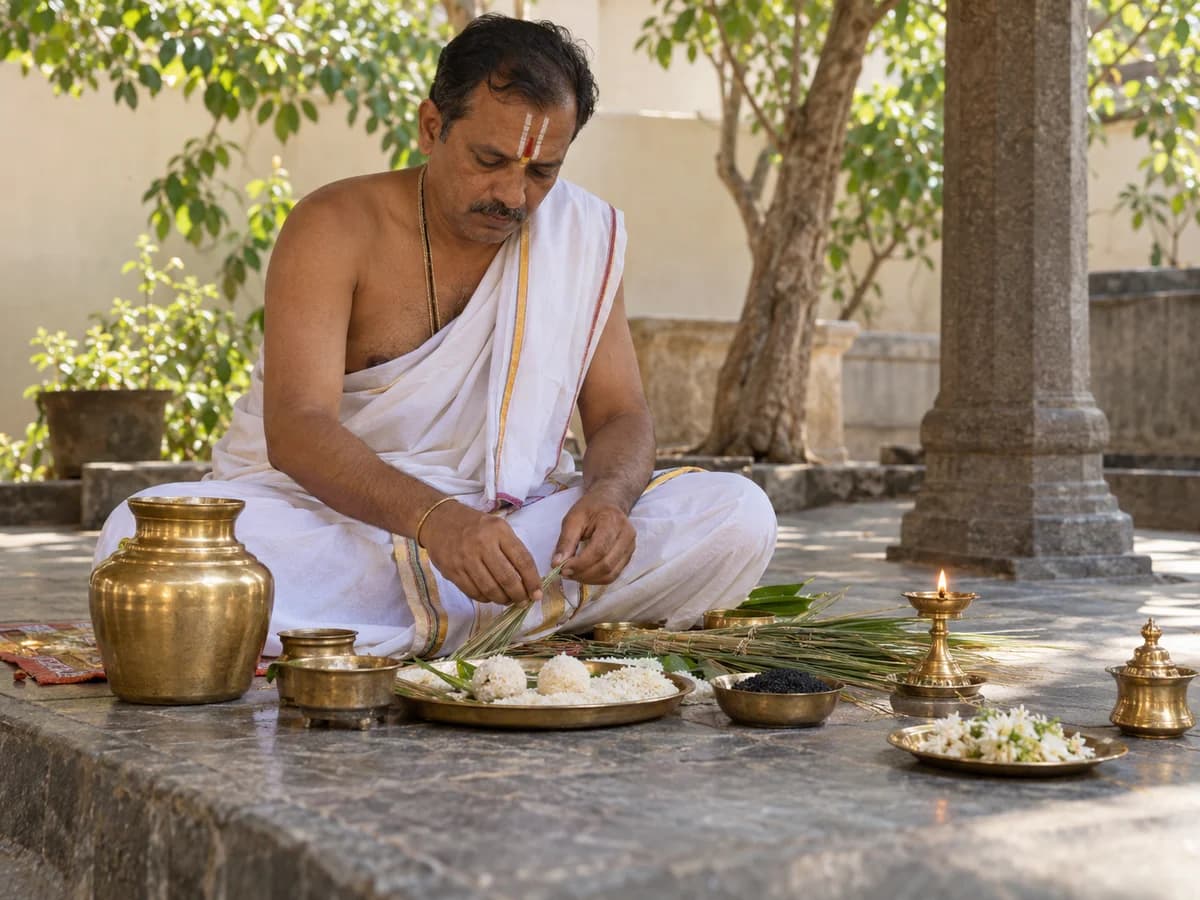
Apara Karma Service Overview
Anugraha Siddhi provides Hindu ritual consultation and assistance in Hyderabad. Families can enquire about Apara Karma Services, explain their customary requirements, and clarify the procedure and arrangements with the service provider before confirming a ceremony.
Whether you need guidance about Antima Samskaram following a death, are arranging Apara Karmalu for a departed family member, or want to understand the relationship between Apara Karma and Antyeshti, this guide explains the traditional context and practical considerations involved.
Quick Overview
| Detail | Information |
|---|---|
| Service | Apara Karma Services |
| Related Terms | Apara Karmalu, Apara Kriyalu, Antima Samskaram, Antyeshti |
| Purpose | Customary funeral-related and post-death observances |
| Arrangements | Confirm rites, timing, location, materials and service scope |
| Experience | 5+ years |
| Languages | Telugu and English |
| Location | Hyderabad, Telangana |
| Call or WhatsApp | 9032022323 |
What Is Apara Karma?
Apara Karma is a term used for Hindu rites associated with death, funeral observances, and prescribed ceremonies performed for the departed according to particular traditions. The exact meaning and scope can vary between communities and regional practices.
These rites form part of the religious and cultural customs through which families honour the deceased and fulfil customary responsibilities following a death. Depending on the tradition, the observances may take place at different stages, from funeral rites to subsequent ceremonies performed on prescribed days.
Apara Karma should not be understood as one identical ceremony performed in the same way by every Hindu family. The required rites, sequence, timing, and materials depend on the family's tradition and the circumstances of the observance.
Apara Karma at a Glance
- Service: Apara Karma Services and related Hindu death rites
- Purpose: Performing customary funeral-related and post-death observances
- Related terms: Apara Karmalu, Apara Kriyalu, Antima Samskaram, Antyeshti
- Location: Hyderabad
- Languages: Telugu and English
- Enquiries: Call or WhatsApp 9032022323
The exact ceremony, date, location, and service requirements should be confirmed with the priest or service provider.
What Are Apara Karmalu and Apara Kriyalu?
Apara Karmalu and Apara Kriyalu are expressions used in some Telugu-speaking communities when referring to rites associated with death and the observances that follow. Their usage may differ according to family customs, regional terminology, and the particular ceremonies being discussed.
Families may use these terms broadly when enquiring about funeral-related rites or more specifically when referring to prescribed post-death ceremonies.
When arranging a ritual, it is helpful to explain the occasion and the specific rites your family expects rather than relying only on the terminology. This can help establish whether you need funeral arrangements, post-funeral rites, or guidance about a later observance.
Why the Exact Ritual Matters
Apara Karma may cover multiple rites, but not every service necessarily includes every ceremony. For example, the rites performed immediately after a death may differ from observances arranged on subsequent days.
Before booking, clarify:
- Which ceremony is required.
- When it should be performed according to the family's tradition.
- Where it will take place.
- Which materials and preparations are necessary.
- Whether additional rites are part of the agreed service.
- Who will coordinate the arrangements.
These details are particularly important when several family members are coordinating the ceremony during a difficult period.
What Is Antima Samskaram?
Antima Samskaram is commonly understood as the final rites or last rites performed following a person's death. In Hindu traditions, these observances are associated with honouring the deceased and carrying out the customary funeral procedure.
The exact rites depend on the family's religious tradition, regional practices, and the circumstances of the death. The procedure may involve a series of prescribed actions rather than one isolated ceremony.
Antima Samskaram is often discussed alongside Apara Karma because both relate to funeral and post-death observances. However, the terms do not always describe exactly the same scope of services.
Planning Antima Samskaram
Families arranging Antima Samskaram may need to coordinate several practical matters, including the funeral location, the availability of the priest, the timing of the rites, and the materials required for the customary procedure.
The service provider should clarify what can be arranged and which responsibilities remain with the family or other relevant providers.
If a death has occurred recently, prioritise immediate practical arrangements and communicate the circumstances clearly when seeking ritual guidance.
What Is Antyeshti in Hindu Tradition?
Antyeshti is a Sanskrit term commonly used for Hindu last rites or funeral rites. The word is associated with the final samskara in traditional Hindu life-cycle observances.
Antyeshti is an important part of many Hindu funeral traditions. The specific procedure, however, is not universal. Communities and families may follow different customary practices concerning the rites, sequence, and arrangements.
The term Antyeshti may overlap with Antima Samskaram in everyday conversation, particularly when families refer to the final rites after a death. The exact service being requested should still be clarified.
Antyeshti and Apara Karma: Understanding the Relationship
Antyeshti generally refers to the funeral or final rites, while Apara Karma may be used more broadly for funeral-related and subsequent post-death observances in certain traditions.
| Term | Common understanding |
|---|---|
| Apara Karma | A broad term used for death-related and post-death rites in certain Hindu traditions |
| Apara Karmalu | Telugu expression used for these rites or ceremonies |
| Apara Kriyalu | Term used for prescribed ritual actions associated with the observances |
| Antima Samskaram | Final rites performed following death |
| Antyeshti | Hindu funeral or last rites |
These are general explanations. The terms may overlap in family usage, and the exact procedure should be confirmed according to the tradition being followed.
When Are Apara Karma Services Required?
Apara Karma Services may be required following a death when the family needs assistance arranging the customary funeral rites and subsequent observances.
The timing depends on the particular rite and the family's religious practice. Some arrangements are time-sensitive, while other ceremonies may be scheduled for prescribed days according to the applicable tradition.
1. Immediately Following a Death
Families may need guidance about the appropriate funeral rites, the availability of a priest, and the sequence of customary observances.
The immediate arrangements should be coordinated with the relevant family members and funeral service providers. Ritual requirements should be clarified without delaying essential practical arrangements.
2. During Post-Funeral Observances
Some traditions prescribe ceremonies on particular days after the funeral. The timing and procedure depend on the family's customs and the rites being performed.
Ask the priest to explain the applicable sequence so the family understands what is required and when.
3. For Subsequent Ancestral Rites
Families may also need guidance about later ceremonies associated with remembrance and ancestral observances. These may include rituals distinct from the immediate funeral rites.
If you need a specific ceremony, such as Shraddha, Taddinam, Tarpanam, or Pinda Pradanam, explain this separately when enquiring. Do not assume these rites are automatically included in a general Apara Karma service.
Apara Karma in Hyderabad: How to Arrange the Service
Searching for Apara Karma in Hyderabad often means that a family needs timely information about arranging traditional rites after a death. A clear explanation of the situation can help establish the appropriate next steps.
Step 1: Explain the Circumstances
Tell the service provider whether you require immediate funeral-related assistance or a subsequent post-death ceremony. If the death has occurred recently, mention the timing so that availability can be discussed.
Step 2: Describe the Family Tradition
Explain the customary procedure your family follows, if known. If your family uses terms such as Apara Karmalu, Apara Kriyalu, Antima Samskaram, or Antyeshti, mention them and clarify the specific rites required.
Step 3: Confirm the Date and Location
Discuss where the ceremony is expected to take place and whether the customary procedure has specific timing requirements.
The appropriate arrangements may differ depending on whether the rites are performed at a home, a funeral location, or another designated place.
Step 4: Clarify the Service Scope
Ask which rites the service covers, what preparations are required, and whether additional ceremonies need to be arranged separately.
Step 5: Confirm Materials and Responsibilities
Request clear instructions about ritual materials, family preparations, and any other practical requirements. Confirm who will arrange each item.
Step 6: Finalise the Arrangements
Once the procedure, timing, location, availability, and scope are clear, confirm the booking and the agreed responsibilities.
During bereavement, clear communication can help families coordinate arrangements without relying on assumptions.
What Is Included in Apara Karma Services?
The scope of Apara Karma Services depends on the particular rites being arranged and the agreement with the service provider. A general service description should not be taken to mean that every funeral-related or post-death ceremony is included.
When enquiring, discuss the specific requirements rather than assuming a standard package.
Details to Confirm
- The specific funeral or post-death rites to be performed.
- Whether the service concerns Antyeshti, Antima Samskaram, or subsequent observances.
- The customary timing and expected duration.
- The location and any practical restrictions.
- The required ritual materials and who will provide them.
- Whether additional priests or services are needed.
- Whether any separate ancestral ceremonies must be booked.
- The service fee and any additional costs.
If your family expects multiple ceremonies over several days, request a clear explanation of which rites are covered and which require separate arrangements.
What Materials Are Needed for Apara Karmalu?
The required materials depend on the specific rite, regional customs, and the priest's instructions. There is no single materials list that applies to every Apara Karma ceremony.
Some rites may involve traditional offerings and prescribed ritual items, while others require different arrangements according to the procedure being followed.
Before Arranging Ritual Materials
Ask the priest or service provider for a list specific to the ceremony. Clarify whether the family needs to purchase the materials, prepare anything in advance, or coordinate any additional arrangements.
Avoid buying items based on a general online checklist without confirming that they are required for your family's ritual.
Can Apara Karma Be Arranged at Home?
Certain post-death observances may be performed at home, depending on the ritual and the family's customary practice. Other rites may require a different setting.
If you are arranging a home ceremony, explain the available space and the specific observance you need. The priest can clarify the appropriate procedure and preparation requirements.
Home Ceremony Considerations
- The customary suitability of the location.
- The available space for the prescribed rites.
- The date and timing.
- The required materials.
- Any family-specific ritual instructions.
- Whether the ceremony forms part of a larger sequence of observances.
Do not assume that every part of Antyeshti or Apara Karma can be performed at home. Confirm the setting required for the particular rite.
Apara Karma and Other Ancestral Ceremonies
Apara Karma may be discussed alongside other Hindu ancestral rites, but the terms refer to different aspects of religious practice. Understanding the distinction can help families arrange the correct service.
Apara Karma and Shraddha
Apara Karma generally refers to funeral-related and post-death observances in certain traditions. Shraddha refers to ancestral rites performed according to customary religious practices and may be associated with later remembrance observances.
If your family requires a particular Shraddha ceremony, clarify whether it forms part of the planned service or needs separate arrangements.
Apara Karma and Pinda Pradanam
Pinda Pradanam involves prescribed offerings of pindas within certain ancestral rites. Depending on the tradition and occasion, pinda offerings may form part of some post-death ceremonies, but they should not be assumed to be included in every Apara Karma service.
If Pinda Pradanam is required, mention it explicitly when discussing the ceremony.
Apara Karma and Tarpanam
Tarpanam is a distinct ritual term associated with prescribed offerings, commonly involving water. It may be included in some broader ancestral observances, depending on the tradition.
Ask the priest whether Tarpanam is required for your particular ceremony and whether it is included in the agreed service.
Common Mistakes to Avoid When Arranging Apara Karma
1. Assuming Every Family Follows the Same Procedure
Funeral and post-death rites vary across traditions. Explain your family's customs and confirm the appropriate ceremony.
2. Confusing Different Ritual Names
Apara Karma, Antima Samskaram, Antyeshti, Shraddha, and Pinda Pradanam are related in certain contexts, but they do not always describe the same service. Confirm the exact rites required.
3. Leaving the Timing Unclear
Some ceremonies have specific customary timing requirements. Ask the priest to clarify the sequence and relevant dates.
4. Assuming All Ritual Materials Are Included
Materials and preparation responsibilities vary. Request a clear list and confirm who will provide each item.
5. Overlooking Additional Ceremonies
If the family expects subsequent rites, discuss them before booking rather than assuming they are part of the immediate funeral service.
6. Making Decisions Based Only on Generic Online Advice
General descriptions may not reflect your family's ritual practice. Use them as background information and confirm the procedure with a knowledgeable priest.
7. Not Clarifying Costs and Responsibilities
During a difficult period, clear communication about fees, availability, materials, and responsibilities can help prevent avoidable confusion.
Why Contact Anugraha Siddhi for Apara Karma in Hyderabad?
Arranging traditional rites following a death can involve emotional and practical challenges. Clear communication about the intended ceremony, family customs, timing, and service requirements can help families understand what needs to be arranged.
Anugraha Siddhi provides Hindu ritual consultation and assistance in Hyderabad. Families can enquire in Telugu or English about Apara Karma Services and explain whether they need guidance concerning Apara Karmalu, Apara Kriyalu, Antima Samskaram, Antyeshti, or a related observance.
When contacting the service provider, explain the circumstances and the specific rites you need. The scope, availability, materials, and timing should be confirmed before booking.
Service Information
- Business: Anugraha Siddhi
- Experience: 5+ years
- Languages: Telugu and English
- Location: Metro Pillar No A689, JNTU Metro Station, 3rd Floor, Dr Atmaram Estates, beside Sri Bhramaramba Theatre, Hyder Nagar, Vasantha Nagar, Hyderabad – 500072
- Call or WhatsApp: 9032022323
- Website: https://anugrahasiddhi.com/
Please confirm the service fee, availability, exact ritual scope, location, and required preparations directly.
Frequently Asked Questions About Apara Karma
1. What is Apara Karma?
Apara Karma refers to Hindu funeral-related and post-death rites performed according to certain religious and family traditions. The exact ceremonies and their sequence depend on the family's customs and the particular observance.
2. What are Apara Karmalu?
Apara Karmalu is a Telugu expression used for funeral-related and post-death rites. The specific ceremonies included depend on the regional and family tradition being followed.
3. What are Apara Kriyalu?
Apara Kriyalu is a term used for prescribed ritual actions associated with death and subsequent observances in certain Hindu traditions. Ask the priest to clarify the particular rites required for your family.
4. What is Antima Samskaram?
Antima Samskaram generally refers to the final rites performed following a person's death. The customary procedure varies by family, community, and regional practice.
5. What is Antyeshti?
Antyeshti is a Sanskrit term commonly used for Hindu funeral or last rites. The specific procedure depends on the tradition followed by the family.
6. Are Apara Karma and Antyeshti the same?
The terms are related but may describe different scopes of observance. Antyeshti generally refers to the funeral or last rites, while Apara Karma may be used more broadly for funeral-related and subsequent post-death rites in some traditions.
7. When should Apara Karma be performed?
The timing depends on the specific rite and the family's customary practice. Some arrangements are time-sensitive, while other observances follow prescribed dates. Confirm the sequence with the priest.
8. Can Apara Karma be performed at home?
Some post-death observances may be suitable for a home setting, while other rites may require a different location. Confirm the customary procedure and location requirements for the specific ceremony.
9. Are Shraddha and Pinda Pradanam included in Apara Karma Services?
Not necessarily. The inclusion of Shraddha, Pinda Pradanam, Tarpanam, or other related rites depends on the specific service agreed upon. Confirm each requirement before booking.
10. What information should I provide when booking Apara Karma Services?
Share the nature of the ceremony, the available date information, the location, the family's customary requirements, and any additional rites expected. If you are unsure of the exact ritual name, explain the circumstances and ask for clarification.
11. Can I enquire about Apara Karma in Hyderabad in Telugu?
Yes. Anugraha Siddhi offers communication in Telugu and English. You can explain your requirements in either language when making an enquiry.
12. How can I contact Anugraha Siddhi for Apara Karma Services?
Call or WhatsApp 9032022323 to discuss the required ceremony, availability, location, fee, and preparations. Confirm the scope of the service before finalising arrangements.
Enquire About Apara Karma Services in Hyderabad
If your family is arranging Apara Karma, Apara Karmalu, Apara Kriyalu, Antima Samskaram, or Antyeshti, begin by clarifying the customary rites and the arrangements needed for the specific occasion.
Anugraha Siddhi can discuss your requirements and help you understand the information to confirm before booking. Because funeral and post-death customs vary, the exact procedure and service scope should be established according to your family's tradition.
Call or WhatsApp: 9032022323
Anugraha Siddhi
Metro Pillar No A689, JNTU Metro Station, 3rd Floor, Dr Atmaram Estates, beside Sri Bhramaramba Theatre, Hyder Nagar, Vasantha Nagar, Hyderabad – 500072.
Website: https://anugrahasiddhi.com/