
Subramanya Abhishekam in Hyderabad
Subramanya Abhishekam is a traditional Hindu ritual performed in devotion to Lord Subramanya Swamy, also known as Lord Skanda, Kartikeya and Murugan. Anugraha Siddhi helps families arrange Subramanya Abhishekam with experienced Vedic Purohits, with arrangements discussed according to the family's tradition, preferred date and ritual requirements.
Whether you are planning a personal devotional ceremony or an abhishekam for your family, we can help you understand the preparation, samagri requirements and booking process. Anugraha Siddhi has 5+ years of experience in Pooja and Vedic ritual services.
Languages: Telugu and English
Quick Overview
| Details | Information |
|---|---|
| Service | Subramanya Abhishekam |
| Deity | Lord Subramanya Swamy |
| Also Known As | Lord Skanda, Kartikeya and Murugan |
| Ritual Type | Traditional deity abhishekam |
| Commonly Associated Mantra | Om Saravanabhavaya Namah |
| Commonly Chosen Occasion | Shashti and other suitable devotional occasions |
| Experience | 5+ years of experience in ritual services |
| Languages | Telugu and English |
| Service Location | Hyderabad |
| Service Arrangements | Confirmed according to the ritual and requirement |
| Booking | Call or WhatsApp Anugraha Siddhi |
The mantra, date, ritual sequence and samagri requirements may vary according to the tradition followed. Confirm the specific arrangements before booking.
What Is Subramanya Abhishekam?
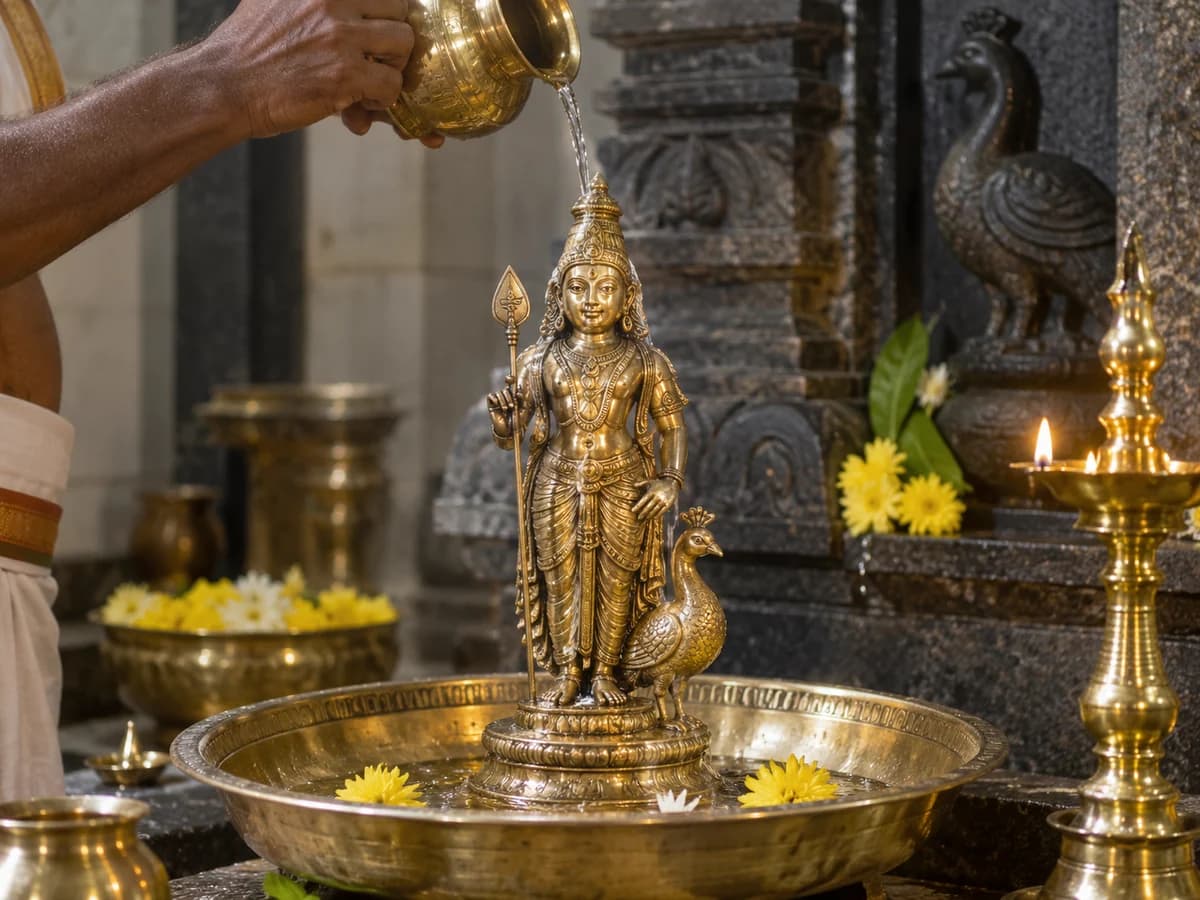
Subramanya Abhishekam is a Hindu devotional ritual in which the deity's murti is ceremonially bathed using prescribed substances and accompanied by appropriate prayers or mantras. It is performed in worship of Lord Subramanya Swamy, who is also known as Skanda, Kartikeya and Murugan.
The ritual may be performed at a temple or an appropriate home shrine, depending on the tradition and arrangements. The exact procedure can differ between temples, families and Purohits.
Why Is Subramanya Abhishekam Performed?
Devotees perform Subramanya Abhishekam as an expression of devotion to Lord Subramanya Swamy. The ritual provides an opportunity to pray, observe traditional worship practices and participate in a meaningful spiritual occasion with family.
Common traditional reasons for performing the abhishekam include:
- Devotional worship: To express reverence and devotion to Lord Subramanya Swamy.
- Family prayer: To participate in a traditional religious ceremony with family members.
- Personal sankalpam: To offer prayers with a specific intention according to one's beliefs and family tradition.
- Observing religious occasions: To mark Shashti or another suitable occasion in the devotional calendar.
- Following family customs: To continue a worship practice observed by one's family or community.
Some devotees associate Lord Subramanya worship with courage, discipline and spiritual strength. These are traditional religious beliefs, not guaranteed outcomes of performing the ritual.
The appropriate form of worship depends on the devotee's intention and the tradition being followed. A related option is Subramanya Swamy Pooja, which is a broader worship sequence rather than a ceremonial bathing.
When Is Subramanya Abhishekam Performed?
Subramanya Abhishekam may be performed on a suitable date chosen according to the devotee's family tradition, religious calendar and the guidance of a knowledgeable Purohit.
The following occasions are commonly considered by devotees:
Shashti Tithi
Shashti, the sixth lunar day, is traditionally associated with the worship of Lord Subramanya. Devotees may choose a suitable Shashti occasion for their abhishekam.
Skanda Shashti
Skanda Shashti is an important devotional occasion associated with Lord Skanda or Subramanya. Families may arrange special worship around this observance according to their tradition, including Skanda Shashti Pooja.
Tuesdays
Some devotees choose Tuesdays for worship of Lord Subramanya. Whether a particular Tuesday is suitable for an individual ceremony should be confirmed according to the family's requirements and preferred tradition.
Personal Religious Occasions
An abhishekam may also be planned for a family observance, a personal devotional sankalpam or another religious occasion.
Which date should you choose?
The suitable date depends on your intended ceremony and the tradition you follow. Contact Anugraha Siddhi to discuss your preferred date and whether additional muhurtham guidance is required.
Do not assume that every date is equally suitable for every ritual. The Panchangam for the day is one of the things your Purohit will check.
How Is Subramanya Abhishekam Performed?
The ritual sequence depends on the form of abhishekam selected and the tradition followed by the Purohit. A general description of the ceremony may include the following stages, and other abhishekams arranged by Anugraha Siddhi follow their own vidhanam.
-
Preparation and Sankalpam
The ceremony begins with the necessary preparations. Where prescribed, a sankalpam is taken to state the devotee's intention for the ritual. The details required for the sankalpam should be confirmed with the Purohit.
-
Preliminary Prayers
Preliminary prayers or worship may be performed according to the chosen vidhanam. Whether a separate Ganapathi Pooja or another preliminary ritual is included must be confirmed in advance.
-
Abhishekam
The deity's murti is ceremonially bathed with the substances prescribed for the particular ritual. These may include water, milk or other traditional offerings, depending on the vidhanam and the rules of the venue.
Not every abhishekam uses the same materials or sequence.
-
Mantra Recitation and Worship
Appropriate prayers or mantras may be recited during the ritual. The selection and number of repetitions depend on the tradition and the agreed form of worship.
-
Alankaram and Concluding Prayers
After the abhishekam, the deity may be decorated according to the tradition. Archana, naivedyam, aarti or other concluding observances may follow where prescribed.
The exact inclusions should be confirmed before booking. Procedures may vary according to sampradaya, temple rules and family tradition.
Importance of Subramanya Abhishekam
Lord Subramanya Swamy is worshipped in several Hindu traditions under names such as Skanda, Kartikeya and Murugan. Subramanya Abhishekam forms part of devotional worship dedicated to the deity, alongside Subramanya Homam where a fire ritual is preferred.
For many devotees, the importance of the ceremony lies in observing traditional worship, offering prayers with sincerity and maintaining a connection with family and religious customs.
The ritual may also provide an opportunity for family members to gather for a shared devotional observance.
Its meaning and the intentions associated with it can differ between devotees. The ceremony should be approached as a religious practice rather than as a guarantee of a particular material or personal result.
Subramanya Abhishekam Benefits
Devotees may perform Subramanya Abhishekam with different spiritual intentions. The benefits associated with the ritual are understood through religious beliefs and devotional traditions.
Commonly expressed intentions include:
- Devotional connection: Strengthening one's personal practice of worship.
- Spiritual reflection: Creating time for prayer, discipline and contemplation.
- Family participation: Bringing family members together for a traditional ceremony.
- Observance of religious customs: Continuing family or community practices associated with Lord Subramanya.
- Prayer with a sankalpam: Offering prayers for a personally meaningful intention.
Some devotees traditionally associate Subramanya worship with courage, perseverance and overcoming difficulties. These associations reflect religious belief and are not assured results.
Anugraha Siddhi can help you understand the ritual arrangements and discuss your requirements before booking, or you can book a consultation first.
Subramanya Abhishekam Mantra
One mantra commonly associated with Lord Subramanya is:
Subramanya Mantra
Om Saravanabhavaya Namah
A devotional invocation of Lord Subramanya. The spelling and pronunciation may be presented differently across transliteration systems and regional traditions.
The mantra used during a formal Subramanya Abhishekam may differ according to the prescribed vidhanam.
The number of repetitions should not be assumed to be the same for every ceremony. If you are arranging the ritual through a Purohit, confirm the mantra, pronunciation and any prescribed count in advance.
Subramanya Abhishekam Samagri
The samagri required for Subramanya Abhishekam depends on the form of the ritual, the venue and the tradition being followed.
Items that may be required, depending on the agreed vidhanam, include:
- Water for the prescribed ritual
- Milk or other abhishekam substances, where required
- Flowers
- Fruits
- Turmeric and kumkum, where prescribed
This is a general reference list, not a mandatory list for every ceremony. Temple-based rituals may follow their own requirements and restrictions.
Samagri may be arranged by Anugraha Siddhi or by the customer depending on the selected service package and requirement, and the pooja store stocks the common items.
Confirm which items are included and which need to be arranged before purchasing anything.
Booking Checklist for Subramanya Abhishekam
Before booking your Subramanya Abhishekam, keep the following details ready.
| Requirement | Details to Confirm |
|---|---|
| Service | Subramanya Abhishekam |
| Preferred Date | Share your preferred date |
| Venue | Confirm the proposed location |
| Sankalpam | Discuss the intention and required details |
| Gotra and Nakshatra | Provide if applicable and available |
| Ritual Procedure | Confirm the required vidhanam |
| Mantra | Confirm according to the tradition |
| Samagri | Confirm what is included and what you must arrange |
| Purohit | Confirm availability and suitability |
| Language | Telugu or English |
| Service Mode | Confirm whether the requested arrangement is available |
| Additional Rituals | Discuss separately if required |
Having these details ready can help clarify the arrangements before the ceremony is scheduled.
Subramanya Abhishekam Cost in Hyderabad
The cost of Subramanya Abhishekam in Hyderabad depends on the specific ritual and the arrangements required. A fixed price should not be assumed without confirming the details.
Factors that may affect the cost include:
- The form and duration of the abhishekam
- The prescribed ritual procedure and mantra requirements
- The number of Purohits required
- The ceremony venue and location
- The samagri arrangement
- Any additional pooja or ritual requested
The availability of a particular date and the final inclusions should also be confirmed before booking. For current package details, contact Anugraha Siddhi.
Why Choose Anugraha Siddhi for Subramanya Abhishekam?
Planning a traditional ritual can involve questions about the date, procedure, samagri and preparation. Anugraha Siddhi helps families discuss these requirements before arranging a Purohit.
Experienced Vedic Purohits
Anugraha Siddhi has 5+ years of experience in Pooja and Vedic ritual services, and helps arrange experienced, verified Vedic Purohits for appropriate ceremonies.
Guidance Based on Your Requirements
The ritual requirements can be discussed according to your preferred date, family tradition, venue and the form of abhishekam you wish to arrange.
Telugu and English Support
You can discuss the arrangements in Telugu or English, helping you understand the preparation and booking details.
Clear Preparation Information
Before the ceremony, confirm the required samagri, the ritual inclusions and any responsibilities that remain with the family.
Transparent Booking Discussion
The date, venue, availability, cost and any additional ritual requirements should be discussed before the arrangements are finalised.
To enquire about Subramanya Abhishekam, call or WhatsApp Anugraha Siddhi at 9032022323.
How we research and write these pages is set out in our editorial policy.
Frequently Asked Questions About Subramanya Abhishekam
1. What is Subramanya Abhishekam?
Subramanya Abhishekam is a traditional Hindu ritual in which the murti of Lord Subramanya Swamy is ceremonially bathed using prescribed substances and prayers. The procedure varies according to the tradition followed.
2. Why do devotees perform Subramanya Abhishekam?
Devotees perform the ritual as an expression of devotion, to observe religious customs and to offer prayers with a personal or family sankalpam. Specific spiritual benefits are matters of religious belief, not guaranteed outcomes.
3. Which day is suitable for Subramanya Abhishekam?
Shashti is traditionally associated with Lord Subramanya worship. Some devotees also choose Skanda Shashti, Tuesdays or other religious occasions. The suitable date depends on the tradition and the requirements of the ceremony.
4. Which mantra is used for Subramanya Abhishekam?
Om Saravanabhavaya Namah is one mantra associated with Lord Subramanya. A formal abhishekam may use other prescribed prayers or mantras depending on the vidhanam. Confirm the specific mantra with the Purohit.
5. What items are required for Subramanya Abhishekam?
Requirements may include water, milk or other prescribed substances, flowers, fruits and other ritual materials. The exact list depends on the procedure and venue — see the samagri section. Confirm the final samagri list before purchasing items.
6. Can Subramanya Abhishekam be performed at home?
Home arrangements may be possible when the chosen ritual and venue are suitable. Confirm the required space, ritual procedure and Purohit availability before scheduling the ceremony.
7. How long does Subramanya Abhishekam take?
The duration depends on the form of abhishekam, the prescribed prayers and any additional rituals. Ask for the expected duration when discussing the booking.
8. Can Subramanya Abhishekam be performed during Skanda Shashti?
Devotees commonly associate Skanda Shashti with the worship of Lord Subramanya. Whether a particular ceremony can be arranged on the preferred date depends on availability and the requirements of the venue.
9. Are the benefits of Subramanya Abhishekam guaranteed?
No. Anugraha Siddhi does not guarantee any personal, financial, health or other outcome. Devotees may associate the ritual with spiritual intentions according to their beliefs, but these are not assured results.
10. How much does Subramanya Abhishekam cost in Hyderabad?
The cost depends on the ritual, venue, samagri, Purohit requirements and any additional observances. Contact Anugraha Siddhi at 9032022323 for current details.
11. Can I arrange Subramanya Abhishekam with a Purohit through Anugraha Siddhi?
You can contact Anugraha Siddhi to discuss your requirements, preferred date and venue. Purohit availability and the final ritual arrangements must be confirmed before booking.
12. Can Subramanya Abhishekam be performed online?
Online arrangements should not be assumed to be available for every form of abhishekam. Contact Anugraha Siddhi to confirm whether a suitable arrangement is available for your specific requirement.
13. Can the ritual procedure vary between families and temples?
Yes. Ritual procedures can differ according to sampradaya, regional practice, family custom and temple rules. The procedure for your ceremony should be confirmed with the Purohit or the relevant temple.
14. What details should I provide when booking Subramanya Abhishekam?
Share your preferred date, venue, the type of ceremony you require and any relevant sankalpam details. You can also ask about the mantra, samagri, expected duration, cost and Purohit availability — the booking checklist lists them all.
Book Subramanya Abhishekam in Hyderabad
If you are planning Subramanya Abhishekam for yourself or your family, Anugraha Siddhi can help you discuss the ritual requirements and understand the arrangements before booking.
Share your preferred date, venue and requirements so the available options can be confirmed according to the ceremony and your tradition.
Languages: Telugu and English