
Pooja & Vedic Ritual Services · Hyderabad
Rahu Graha Shanti Puja in Hyderabad
Rahu Graha Shanti Puja is a traditional Vedic ritual performed to offer prayers for peace and balance in relation to Rahu's influence in a birth chart. In Vedic astrology, Rahu is regarded as a shadow graha and is associated with areas such as desires, uncertainty, sudden changes, and unconventional experiences.
When Rahu is considered challenging in a person's Kundli or during a significant Rahu Dasha or Antardasha, some families choose to perform Rahu Graha Shanti Puja as a traditional spiritual practice. The Puja involves Sankalp, prayers, prescribed offerings, and Rahu-related mantra recitation according to the selected ritual procedure.
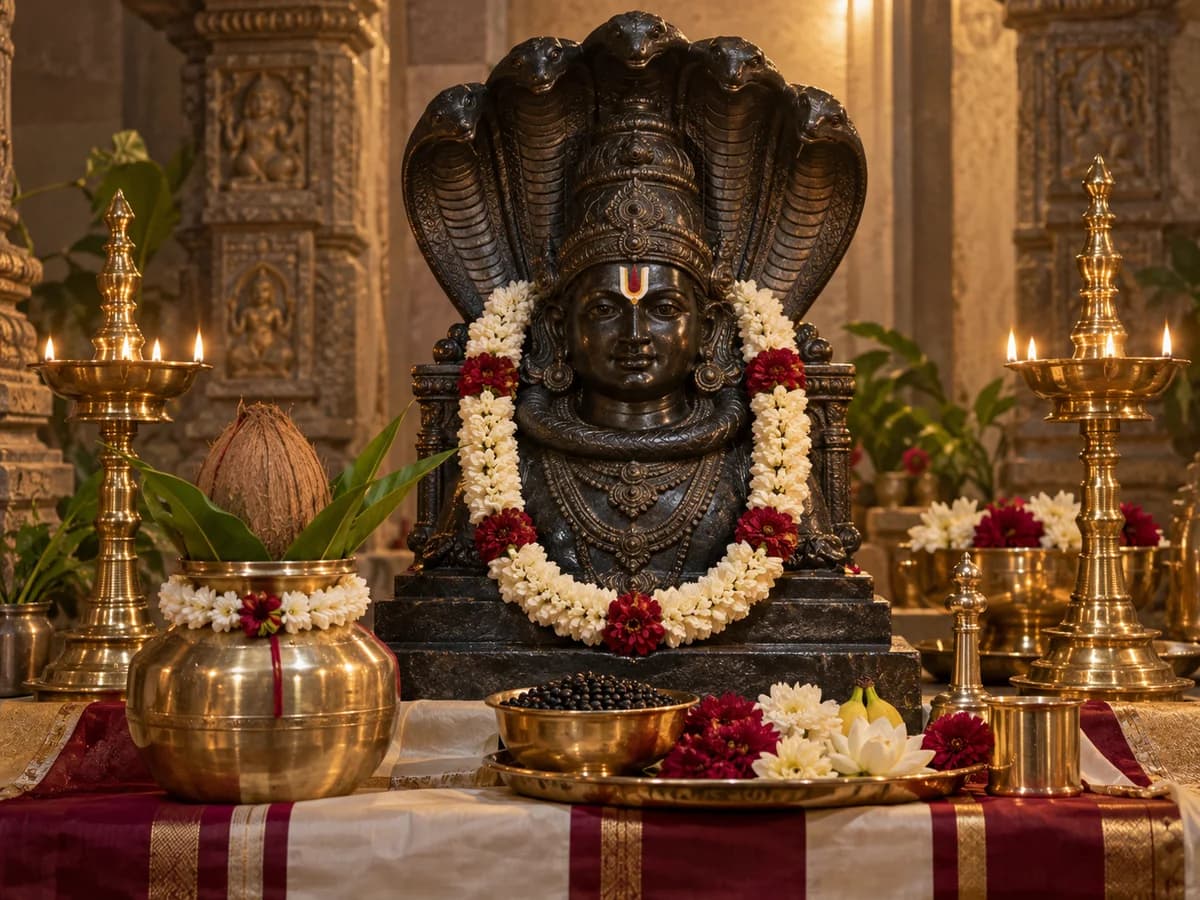
Rahu Graha Shanti Puja Service in Hyderabad
At Anugraha Siddhi, Rahu Graha Shanti Puja is arranged in Hyderabad with guidance from Purohits with 5+ years of experience. The ritual can be planned according to the devotee's purpose, family tradition, and the guidance of the Purohit.
Book Rahu Graha Shanti Puja in Hyderabad for traditional Vedic prayers and guidance.
Call / WhatsApp: 9032022323
Quick Overview
| Details | Information |
|---|---|
| Service | Rahu Graha Shanti Puja |
| Tradition | Vedic / Hindu ritual |
| Primary Purpose | Traditional prayers for Rahu Graha Shanti |
| Suitable For | Individuals seeking a traditional Rahu-related Shanti Puja |
| Basis for Ritual | Sankalp, family tradition and, where appropriate, Kundli-based guidance |
| Key Practices | Rahu Puja, Mantra Japam, prayers and prescribed offerings |
| Havan / Homam | May be included when part of the selected ritual |
| Location | Hyderabad |
| Service Mode | Home / suitable venue, based on arrangement |
| Languages | Telugu and English |
| Experience | Purohits with 5+ years of experience |
| Booking | Call or WhatsApp Anugraha Siddhi |
What Is Rahu Graha Shanti Puja?
Rahu Graha Shanti Puja is a traditional Hindu ritual associated with the worship and pacification of Rahu. In Jyotisha, Rahu is considered one of the Navagrahas, although it is traditionally understood as a lunar node rather than a physical planet.
Rahu is often discussed in Vedic astrology in connection with desires, ambitions, uncertainty, sudden developments, foreign connections, unconventional paths, and strong material or worldly influences. The interpretation of Rahu depends on its position in the birth chart, its relationship with other grahas, and the relevant Dasha and transit periods.
Rahu Graha Shanti Puja is traditionally performed when a person or family wishes to undertake a spiritual remedy associated with Rahu. The purpose is to offer prayers, perform prescribed worship, and seek divine grace and planetary peace according to Hindu tradition.
The exact ritual sequence can differ according to the sampradaya, family tradition, Purohit's guidance, and the purpose of the Puja.
Importance of Rahu Graha Shanti Puja
Rahu occupies a distinctive place in Vedic astrology and Hindu religious traditions. Unlike the visible planets, Rahu is associated with the ascending lunar node and is traditionally called a Chhaya Graha or shadow graha.
In Jyotisha, Rahu's influence is interpreted according to its house, sign, conjunctions, aspects, Nakshatra, Dasha and other chart factors. Therefore, simply having Rahu in a particular house does not by itself determine whether a person will experience a particular outcome.
Rahu Graha Shanti Puja provides a traditional devotional approach for people who wish to perform prayers related to Rahu. The ritual may include:
- Sankalp in the devotee's name and Gotra
- Invocation and worship of the relevant deities
- Rahu-related Mantra Japam
- Traditional Puja offerings
- Dhoop and Deepam
- Naivedyam
- Havan or Homam when included in the selected procedure
- Purnahuti when Havan is performed
- Final prayers and Aarti
The specific components should be confirmed with the Purohit before the Puja because Rahu Shanti procedures can vary by tradition.
Who May Consider Rahu Graha Shanti Puja?
Rahu Graha Shanti Puja may traditionally be considered by people who have been advised to perform a Rahu-related Shanti ritual based on their Kundli or spiritual tradition.
It may be considered in situations such as:
- Rahu Mahadasha or Antardasha
- A horoscope in which Rahu is considered challenging
- Astrological guidance regarding Rahu-related influences
- Certain Rahu-related Dosha interpretations
- A desire to perform traditional Graha Shanti prayers
- Before an important life event when a family traditionally performs Graha Shanti
- Personal or family observance based on Vedic tradition
A Rahu placement should not be interpreted in isolation. If the Puja is being considered specifically because of a Kundli, consulting a qualified Vedic astrologer or Purohit can help determine whether Rahu Shanti is appropriate.
Rahu Graha Shanti Puja Procedure
The procedure can vary according to the tradition followed and the type of Rahu Shanti ritual selected. A general ceremony may include the following stages.
1. Puja Preparation
The Puja area is cleaned and arranged with the required Puja items. The necessary materials, Kalash and other ritual arrangements are prepared before the ceremony.
2. Ganapati Puja
The ceremony may begin with prayers to Lord Ganesha. Ganesha worship is traditionally performed at the beginning of many Hindu rituals for an auspicious and uninterrupted commencement.
3. Sankalp
Sankalp establishes the intention of the Puja.
The Purohit may ask for details such as:
- Devotee's name
- Gotra
- Date of birth
- Relevant birth details
- Purpose of the Puja
The Sankalp is then performed according to the prescribed ritual.
4. Kalash Sthapana and Deity Invocation
Where included in the chosen procedure, Kalash Sthapana and invocation of the relevant deities are performed according to the traditional method.
5. Rahu Puja
The central portion of the ceremony involves worship associated with Rahu. Traditional offerings, flowers, Akshata, Dhoop, Deepam and Naivedyam may be used according to the selected procedure.
6. Rahu Mantra Japam
Rahu-related mantras are recited as part of the Shanti ritual.
One commonly cited Rahu Beej Mantra is:
Om Bhram Bhreem Bhroum Sah Rahave Namah
The appropriate mantra, pronunciation and repetition count should be followed according to the Purohit's guidance rather than assuming that one mantra count applies to every person or ritual.
7. Havan / Homam
If Havan is included in the selected Rahu Shanti procedure, prescribed offerings are made into the sacred fire while relevant mantras are recited.
A Rahu Puja does not necessarily have to include a Havan; this depends on the type of ritual being performed.
8. Purnahuti
When Havan is performed, the ritual may conclude with Purnahuti, representing the completion of the fire offering.
9. Aarti and Prayers
The ceremony concludes with prayers, Aarti and blessings. The devotee and family may participate according to the Purohit's instructions.
Rahu Graha Shanti Puja Mantra
Mantra recitation is an important part of many Graha Shanti traditions.
A commonly used Rahu Beej Mantra is:
Om Bhram Bhreem Bhroum Sah Rahave Namah
The mantra is traditionally recited as an offering of devotion to Rahu. The number of repetitions can vary depending on the purpose and type of Anushthan.
Some Rahu-related rituals may involve a shorter Japam as part of the Puja, while more extensive Anushthans may prescribe a larger number of repetitions.
For a formal Rahu Graha Shanti ritual, it is preferable to follow the mantra, pronunciation and count recommended by the Purohit rather than choosing a count solely from an online source.
Rahu Graha Shanti Puja Benefits
Rahu Graha Shanti Puja is traditionally performed with prayers for peace and balance in relation to Rahu. The following are traditional or devotional purposes, not guaranteed results:
Traditional Benefits of Rahu Graha Shanti Puja
- Prayers for Rahu Graha Shanti
- Seeking spiritual peace and divine guidance
- Traditional prayers during Rahu-related Dasha periods
- Seeking greater clarity and steadiness through devotional practice
- Performing a traditional remedy when advised based on a Kundli
- Supporting a person's spiritual discipline through Mantra Japam and Puja
- Seeking blessings for harmony and well-being
The effects of a Puja cannot be guaranteed because religious and astrological practices are matters of faith and tradition. A person's experiences are influenced by many personal, practical and environmental factors.
When Should Rahu Graha Shanti Puja Be Performed?
The appropriate timing depends on the ritual tradition and the reason for performing the Puja.
Rahu Shanti may traditionally be considered during:
- Rahu Mahadasha
- Rahu Antardasha
- A period identified by a Vedic astrologer as significant for Rahu
- Certain Rahu-related transit considerations
- Astrological guidance regarding Rahu
- A family observance or spiritual practice
- Before a significant event when Graha Shanti is traditionally performed
The exact Muhurat should be confirmed with the Purohit because the suitable date and time can depend on the individual's purpose, location and selected ritual.
Can Rahu Shanti Puja Be Performed on Any Day?
The suitable day and Muhurat can vary according to the tradition being followed. Instead of applying one fixed rule to every person, it is better to confirm the timing with the Purohit performing the Puja.
If the Puja is being recommended specifically because of a Kundli, the relevant astrological factors can also be considered while selecting the Muhurat.
What Is Required for Rahu Graha Shanti Puja?
The required Samagri depends on the exact procedure being performed.
Common Puja arrangements may include:
- Kalash
- Water
- Akshata
- Flowers
- Fruits
- Dhoop
- Deepam
- Naivedyam
- Puja vessels
- Coconut
- Betel leaves and nuts
- Traditional offerings prescribed for the ritual
- Havan materials, if Havan is included
The exact list should be confirmed before the Puja because Samagri requirements vary between different Rahu Shanti traditions and ritual formats.
Anugraha Siddhi can guide you regarding the arrangements required for your selected Puja.
How to Prepare for Rahu Graha Shanti Puja
A few simple preparations can help the ceremony proceed smoothly.
Before the Puja
- Confirm the date and Muhurat.
- Provide the required personal details for Sankalp.
- Share Gotra details if known.
- Keep the Puja area clean.
- Arrange sufficient space for the Purohit and ritual setup.
- Keep the required Samagri ready if the family is arranging it.
- Follow any specific instructions provided by the Purohit.
Rahu Graha Shanti Puja at Home in Hyderabad
Rahu Graha Shanti Puja can be arranged at home in Hyderabad when the required space and arrangements are available.
A home Puja can be convenient for families who prefer to participate together without travelling to a temple or other location.
Before booking a home Puja, ensure that there is sufficient space for:
- Puja setup
- Kalash
- Seating for the family
- Purohit
- Havan setup, if included
- Required ritual materials
The exact space requirements depend on the type and scale of the ceremony.
Rahu Graha Shanti Puja in Hyderabad with Anugraha Siddhi
Anugraha Siddhi provides traditional Hindu Pooja and Vedic ritual services in Hyderabad.
For Rahu Graha Shanti Puja, our Purohits with 5+ years of experience guide the ceremony according to the selected ritual procedure.
The Puja can be planned with attention to:
- Devotee's purpose
- Sankalp details
- Gotra information
- Muhurat
- Required Samagri
- Ritual procedure
- Mantra Japam
- Havan requirements, where applicable
The exact ritual should be discussed before booking so that the family understands what is included.
Why Choose Anugraha Siddhi?
- Purohits with 5+ years of experience
- Traditional Vedic Pooja and ritual services
- Guidance regarding Puja preparation
- Support with ritual requirements
- Hyderabad-based service
- Telugu and English communication
- Home Puja arrangements based on availability
- Clear guidance about the selected ritual procedure
Rahu Graha Shanti Puja Cost in Hyderabad
The cost of Rahu Graha Shanti Puja can vary depending on the selected ritual procedure, number of Purohits, Mantra Japam requirements, Havan or Homam inclusion, Samagri arrangements, venue and other requirements.
Because there is no single standard format for every Rahu Shanti Puja, Anugraha Siddhi can provide the applicable details after understanding your requirements.
Contact Anugraha Siddhi for current Rahu Graha Shanti Puja pricing and arrangements in Hyderabad.
Call / WhatsApp: 9032022323
Frequently Asked Questions
1. What is Rahu Graha Shanti Puja?
Rahu Graha Shanti Puja is a traditional Hindu ritual performed for prayers related to Rahu Graha. It may include Sankalp, Rahu worship, Mantra Japam, offerings and other prescribed rituals.
2. Why is Rahu Graha Shanti Puja performed?
It is traditionally performed to seek Rahu Graha Shanti and divine blessings, particularly when Rahu is considered significant or challenging in a person's Kundli.
3. Who should perform Rahu Graha Shanti Puja?
A person may consider this Puja when it is recommended as part of their Vedic astrology or family tradition. If it is being considered because of a Kundli, consultation with a qualified Vedic astrologer or Purohit can help determine whether Rahu Shanti is appropriate.
4. Can Rahu Graha Shanti Puja be performed at home?
Yes, a Rahu Graha Shanti Puja can be arranged at home when suitable space and arrangements are available. The exact requirements depend on the selected ritual.
5. What mantra is used for Rahu Graha Shanti?
A commonly used Rahu Beej Mantra is Om Bhram Bhreem Bhroum Sah Rahave Namah. The appropriate mantra and repetition count should be followed according to the Purohit's guidance and the selected Anushthan.
6. How many times should the Rahu mantra be chanted?
There is no single count that applies to every Rahu-related ritual. The number of repetitions can depend on the type of Puja or Anushthan. For a formal Shanti ritual, follow the count prescribed by the Purohit.
7. When is the best time for Rahu Graha Shanti Puja?
The suitable Muhurat depends on the tradition, purpose of the Puja and, where applicable, the individual's Kundli. Contact Anugraha Siddhi for guidance regarding the available Muhurat.
8. Does Rahu Graha Shanti Puja include Havan?
Not every Rahu Graha Shanti Puja necessarily includes Havan. Havan can be included when it is part of the selected ritual procedure. Confirm the exact inclusions before booking.
9. What Samagri is needed for Rahu Graha Shanti Puja?
The Samagri depends on the ritual format. Common items may include flowers, Akshata, Kalash, Dhoop, Deepam, Naivedyam and other prescribed materials. The Purohit can provide the applicable list.
10. How can I book Rahu Graha Shanti Puja in Hyderabad?
You can contact Anugraha Siddhi by phone or WhatsApp at 9032022323. Share your preferred date, location and Puja requirements to discuss the available arrangements.
Book Rahu Graha Shanti Puja in Hyderabad
If you are looking for Rahu Graha Shanti Puja in Hyderabad, Anugraha Siddhi can help you understand the ritual requirements, preparation and available arrangements.
Speak with our team about your preferred date, location and Puja requirements.
Call / WhatsApp: 9032022323
Anugraha Siddhi — Traditional Pooja and Vedic Ritual Services in Hyderabad
Email: anugrahasiddhi@gmail.com